Understanding Different Garage Door Materials | Jim Garage Door Repair
Understanding Different Garage Door Materials
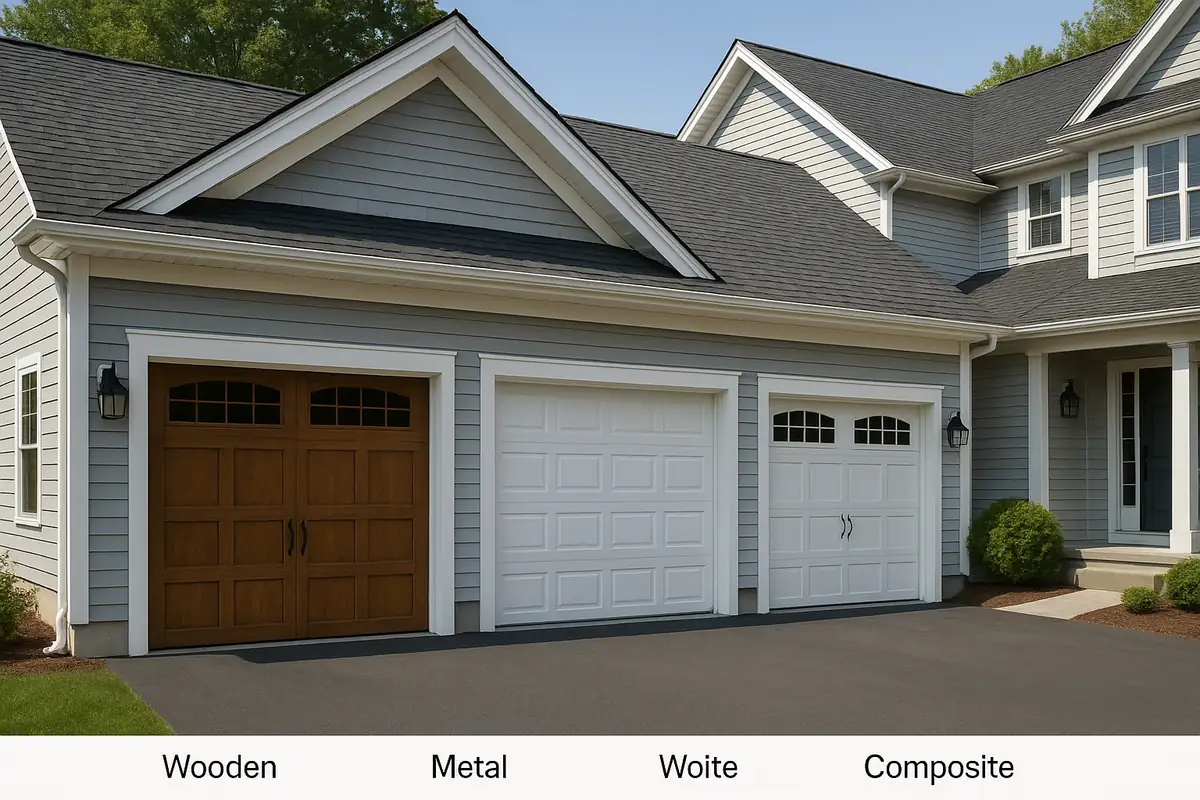
When it comes to enhancing your home’s exterior, few elements are as impactful as your garage door. Not only does it serve as a functional entry point, but it also contributes to your home's overall aesthetic and security. With various materials available, selecting the right one for your garage door can be daunting. In this comprehensive guide, we’ll explore the advantages and disadvantages of different garage door materials, helping you make an informed choice for your home in Dover, NH.
1. Steel Garage Doors
Steel garage doors are among the most popular choices today, thanks to their durability and low maintenance needs. They offer excellent security, making them a top pick for homeowners concerned about safety.
Pros of Steel Garage Doors
- Durability: Steel doors resist dents, rust, and are known for their longevity.
- Security: Their robust construction makes them hard to break into.
- Low Maintenance: Steel doors require minimal upkeep compared to other materials.
- Energy Efficiency: Insulated steel doors can improve energy efficiency, which is particularly beneficial during harsh New England winters.
Cons of Steel Garage Doors
- Temperature Sensitivity: Steel can warp in extreme heat or cold.
- Rusting: If not properly painted or maintained, steel doors can rust.
2. Wood Garage Doors
Wood garage doors provide a classic, timeless look that can enhance the architectural appeal of your home. They are often favored for their beauty and craftsmanship.
Pros of Wood Garage Doors
- Aesthetic Appeal: Wood doors can be customized with stains and finishes to suit your style.
- Insulation Properties: Wood naturally provides good insulation.
- Unique Appearance: No two wood doors are alike, offering a unique touch to your garage.
Cons of Wood Garage Doors
- Maintenance: They require regular upkeep, including painting or staining.
- Cost: Wooden doors are usually more expensive than their steel counterparts.
- Susceptibility to Elements: Wood can warp, crack, or rot if not properly maintained.
3. Aluminum Garage Doors
Aluminum garage doors are lightweight and resistant to rust, making them a practical choice for homeowners looking for a low-maintenance option.
Pros of Aluminum Garage Doors
- Lightweight: Easy to open and close, making them a good choice for manual doors.
- Rust Resistance: Aluminum is not prone to rust like steel.
- Variety of Styles: Available in various styles and colors to suit modern homes.
Cons of Aluminum Garage Doors
- Dent Prone: While they resist rust, aluminum doors can be easily dented.
- Insulation: Single-layer aluminum doors have lower insulation properties, which might not be ideal for colder climates.
4. Fiberglass Garage Doors
Fiberglass garage doors offer an appealing combination of aesthetic options and durability. They can mimic the look of wood while providing better resistance to the elements.
Pros of Fiberglass Garage Doors
- Low Maintenance: They do not require painting, unlike wood doors.
- Insulation: Many fiberglass doors are energy-efficient, with good insulation properties.
- Weather Resistant: Fiberglass is resistant to dents and won’t warp in extreme temperatures.
Cons of Fiberglass Garage Doors
- Cost: Fiberglass doors can be pricier than metal options.
- Color Fading: Over time, colors may fade, especially in direct sunlight.
5. Composite Garage Doors
Composite garage doors combine the benefits of various materials, offering a robust solution for homeowners looking for durability without sacrificing style.
Pros of Composite Garage Doors
- Durability: Resistant to warping and splitting.
- Variety of Finishes: Can be made to look like wood without the maintenance issues.
- Eco-Friendly: Many composite materials use recycled content.
Cons of Composite Garage Doors
- Higher Cost: Generally more expensive than steel and aluminum.
- Limited Lifespan: While durable, they may not last as long as solid wood or steel doors.
Choosing the Right Garage Door Material for Your Home
Now that you've explored the various garage door materials, consider factors such as:
- Climate: If you live in Dover, NH, where winters can be harsh, you might prioritize insulation and durability.
- Maintenance: Evaluate how much time you can dedicate to upkeep.
- Budget: Choose a material that meets your financial criteria while prioritizing quality and longevity.
Statistics and Facts about Garage Doors
Knowing some industry statistics can help solidify your decision:
- According to the International Door Association, garage doors account for 30% of a home’s facade.
- About 71% of homeowners report being satisfied with the curb appeal after installing a new garage door.
- Energy-efficient garage doors can lower heating and cooling costs by up to 20%.
Conclusion: Make an Informed Choice
Selecting the right garage door material is crucial for ensuring that your home remains secure, energy-efficient, and visually appealing. Whether you lean towards the durability of steel, the beauty of wood, or the modern options of fiberglass and composite, understanding your choices will lead you to the best decision.
At Jim Garage Door Repair, we offer expert advice and professional installation services in Dover, NH. Contact us today to discuss your garage door needs and find the perfect solution for your home!
Explore More Resources
Related Articles
Service Areas
We proudly serve Dover, Tuttle Square, Madbury, Rollinsford, South Berwick and more areas.
Our Services
Professional garage door repair, spring repair, opener installation and more. View all services →